 Shri Akhandajyoti Hospital
CALL US NOW:
9699211867
Shri Akhandajyoti Hospital
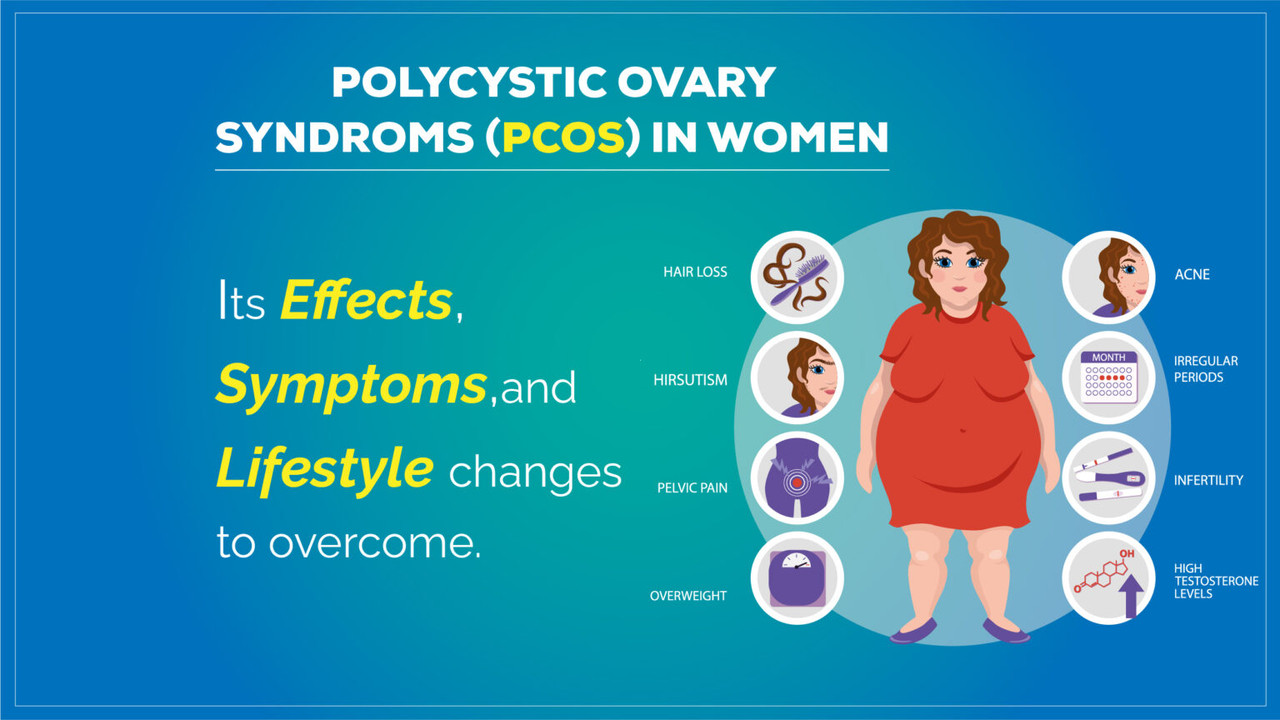
Polycystic Ovary Syndrome (PCOS) is a common hormonal disorder that affects people with ovaries, often causing a range of symptoms and challenges. Understanding the condition and learning how to manage it is crucial for those who are diagnosed. In this article, we’ll delve into the clinical aspects of PCOS, from its causes and symptoms to diagnosis and management.
PCOS, or Polycystic Ovary Syndrome, is a hormonal disorder that primarily affects individuals with ovaries. It’s characterized by an imbalance in sex hormones, leading to various symptoms and potential health risks.
The root of PCOS lies in hormonal disturbances, with elevated levels of androgens (male hormones) and insulin resistance playing key roles.
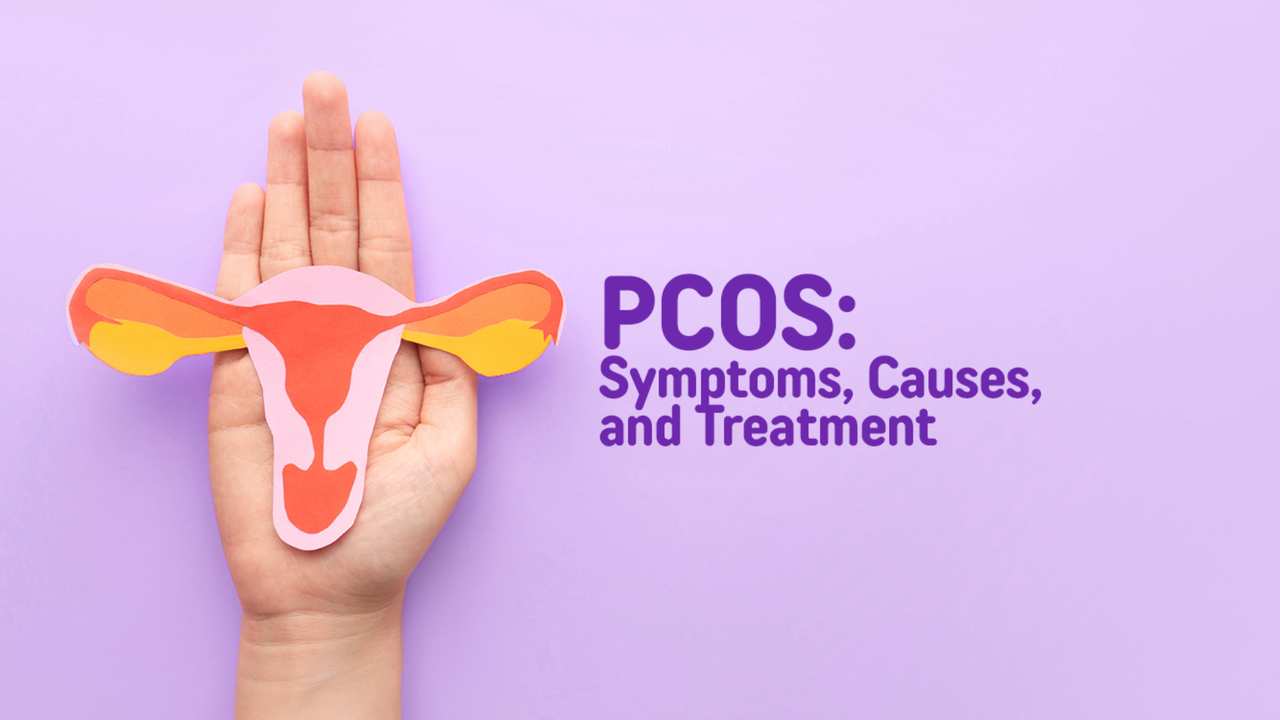
PCOS got its name from the appearance of the ovaries in affected individuals. Small cysts may form, causing irregularities.
PCOS manifests through a range of symptoms that can affect daily life and overall health.
Irregular or absent periods are common, making it difficult for those with PCOS to predict when their next period will occur.
Increased androgens may lead to hirsutism, causing excess hair growth on the face, chest, and back.
Androgens can also contribute to acne and oily skin.
Many individuals with PCOS struggle with weight management, which can worsen other symptoms.
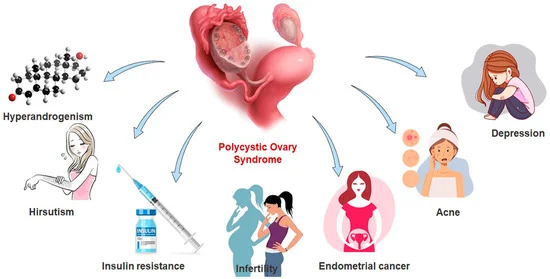
PCOS is not just about troublesome symptoms; it can also lead to significant health risks.
Insulin resistance often goes hand in hand with PCOS, increasing the risk of developing type 2 diabetes.
PCOS is associated with a higher risk of heart disease and high blood pressure.
Many individuals with PCOS experience difficulties conceiving due to irregular ovulation.
A clinical diagnosis of PCOS involves a thorough evaluation of symptoms, medical history, and specific tests.
Your healthcare provider will inquire about your menstrual history, family history, and any other relevant information.
A physical exam may reveal signs such as excess hair growth and acne.
Hormone and glucose level assessments are crucial in confirming PCOS.
Ultrasound scans can reveal the appearance of the ovaries, with the presence of cysts often confirming the diagnosis.
Thankfully, there are effective strategies for managing PCOS, improving symptoms and reducing associated risks.
Maintaining a healthy weight through a balanced diet and regular exercise can help manage PCOS.
Your healthcare provider may prescribe medications to regulate your menstrual cycle, reduce androgen levels, and improve insulin sensitivity.
For individuals trying to conceive, fertility treatments like ovulation induction may be recommended.

Living with PCOS can be emotionally challenging, and addressing mental health is essential.
Engaging with support groups or seeking counseling can provide emotional support.
Stress management techniques, such as mindfulness and meditation, can be beneficial.

Maintaining your long-term health with PCOS is crucial for minimizing health risks.
Regular medical check-ups help monitor your condition and address any emerging issues.
A personalized care plan, tailored to your specific needs, is essential for effective management.
While PCOS may present lifelong challenges, understanding and effective management can significantly improve one’s quality of life.
Polycystic Ovary Syndrome is a complex condition with far-reaching effects on an individual’s health and well-being. It’s essential to understand its clinical aspects, recognize the symptoms, seek proper diagnosis, and adopt effective management strategies. With the right approach and support, living with PCOS can become more manageable and less burdensome.





Leave a Comment
Your email address will not be published. Required fields are marked *