 Shri Akhandajyoti Hospital
CALL US NOW:
9699211867
Shri Akhandajyoti Hospital
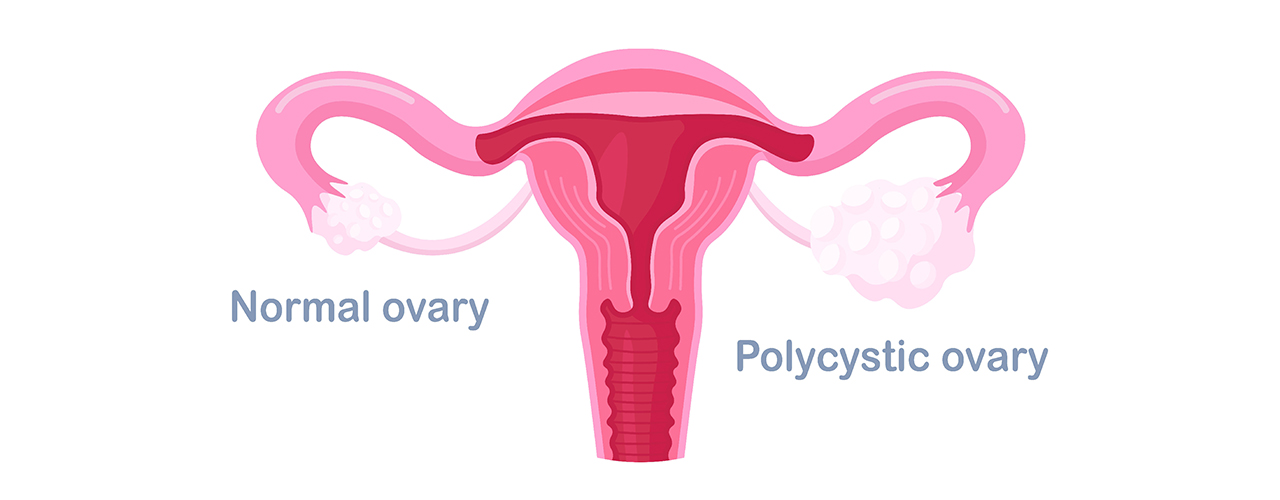
Polycystic Ovary Syndrome (PCOS) is a common but often misunderstood medical condition affecting many women worldwide. In this article, we’ll delve into the intricacies of PCOS, demystifying the condition, and providing comprehensive information to help those dealing with it. From symptoms and causes to diagnosis and management, we’ve got you covered.
Polycystic Ovary Syndrome is a hormonal disorder that affects the reproductive system in women. It is characterized by the presence of cysts on the ovaries, irregular periods, and often, elevated levels of male hormones.
The exact cause of PCOS is not known, but it is believed to be influenced by a combination of genetic and environmental factors.
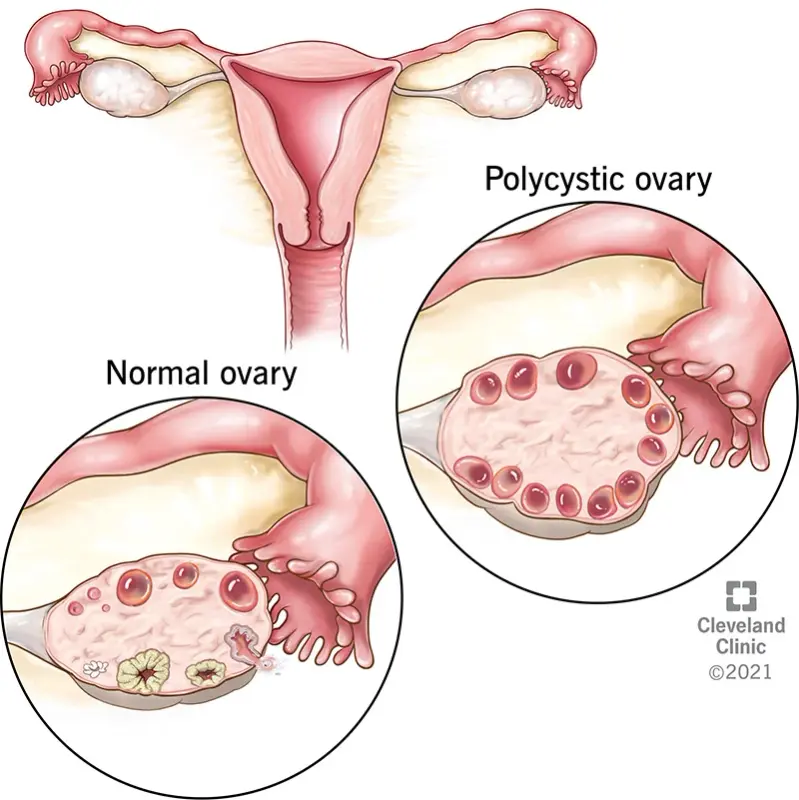
PCOS presents a wide array of symptoms, including irregular periods, acne, hair growth, and weight gain. Understanding these symptoms is key to early detection.
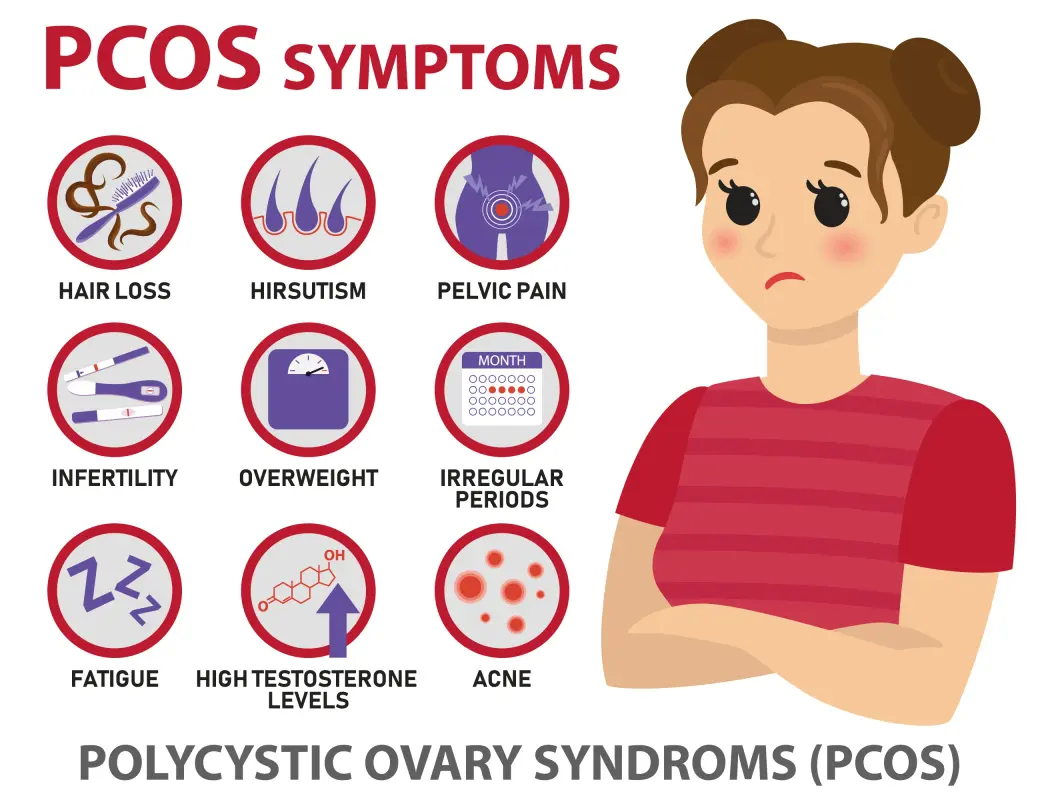
To accurately diagnose PCOS, healthcare professionals consider a range of factors, such as medical history, physical examinations, and blood tests.
The Rotterdam Criteria are a set of diagnostic guidelines that play a crucial role in identifying PCOS. They involve the presence of at least two out of three criteria.
Blood tests help in assessing hormone levels and can determine if the patient has elevated androgens or insulin resistance.
One of the most significant concerns for women with PCOS is its impact on fertility. We’ll explore the challenges and options available for those trying to conceive.
PCOS often leads to irregular ovulation, making it difficult for women to get pregnant.
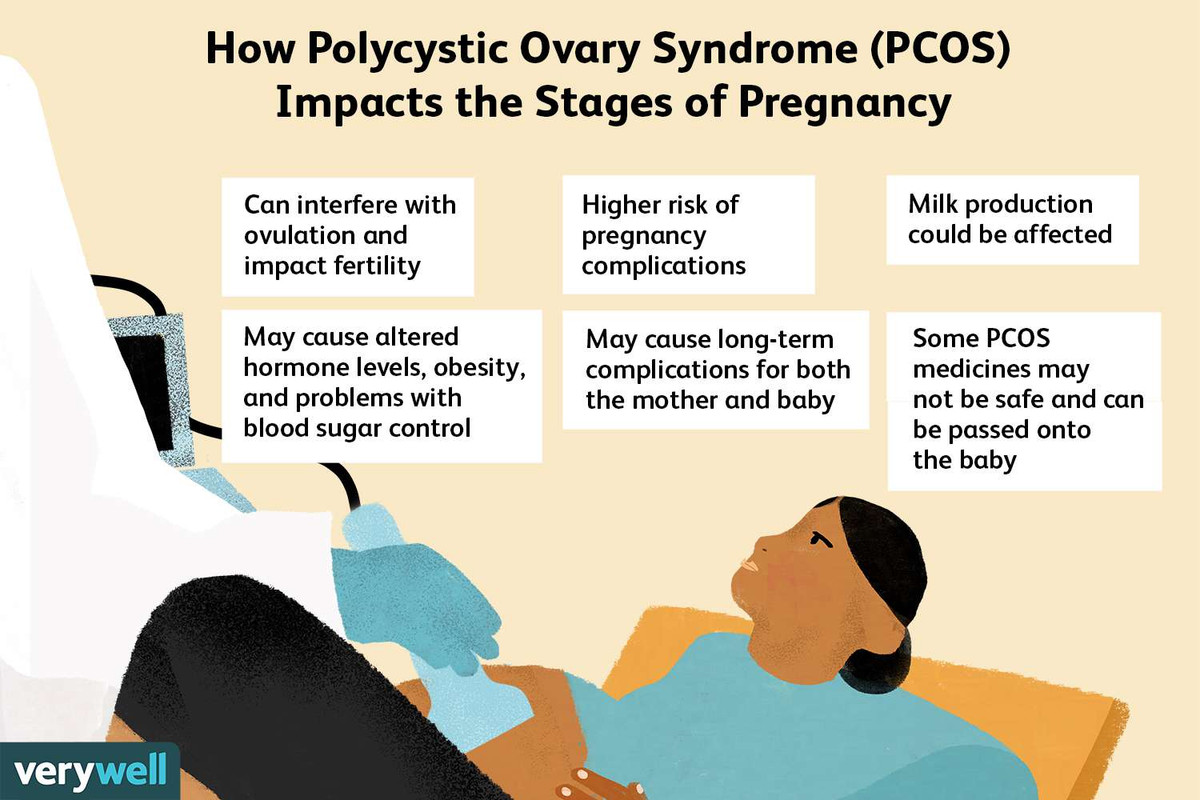
Various treatment options are available, from lifestyle changes to medication and assisted reproductive technology (ART).
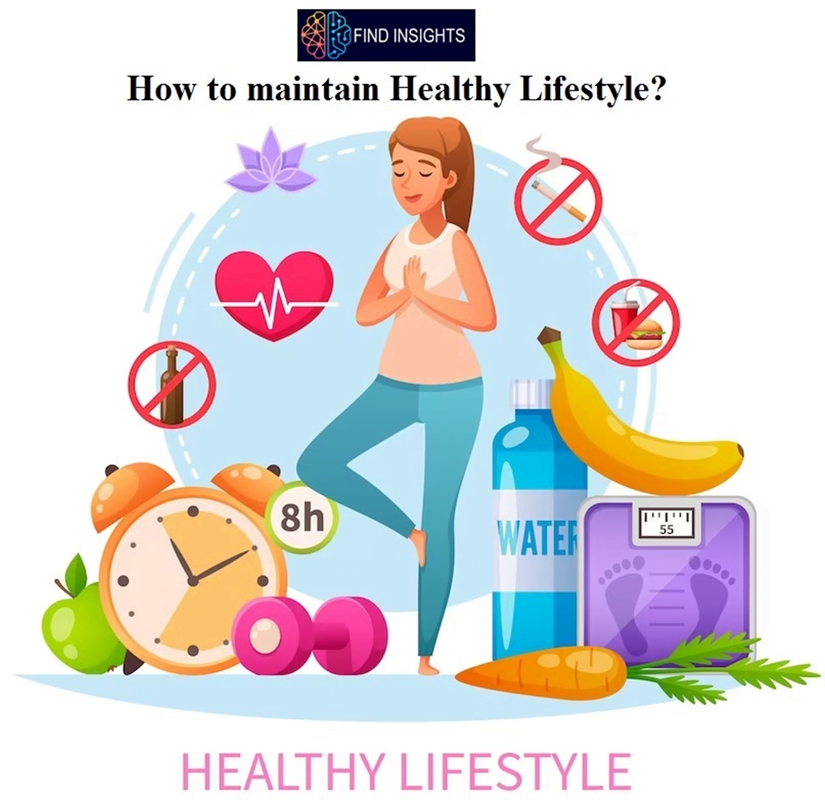
Living with PCOS requires careful management and lifestyle adjustments to control symptoms and minimize long-term health risks.
Balanced nutrition and regular physical activity can help manage weight and improve insulin sensitivity.
The emotional impact of PCOS is often overlooked. We’ll discuss the importance of mental health and emotional well-being.
PCOS can lead to several long-term health risks, including diabetes, cardiovascular issues, and endometrial cancer. Early intervention and management are crucial to reducing these risks.
Understanding the link between PCOS and diabetes and how to manage it effectively.
Tips for maintaining a healthy heart and managing cardiovascular risks associated with PCOS.
Coping with a chronic condition like PCOS can be challenging, but there are numerous support systems and resources available to help you through the journey.
Connecting with others who have PCOS can provide valuable insights and emotional support.
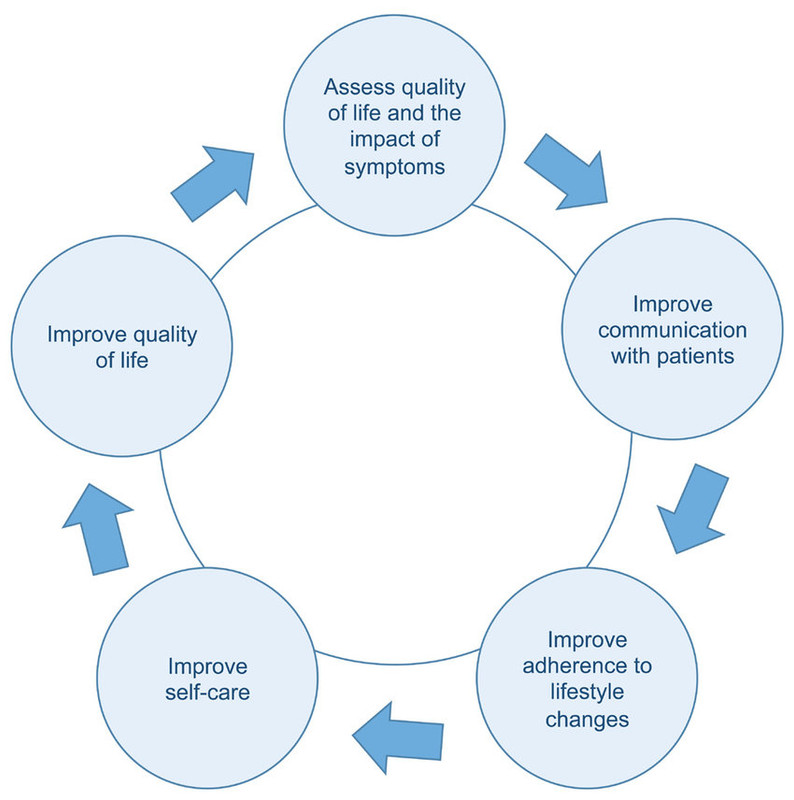
Practical self-care tips to improve your quality of life while living with PCOS.
PCOS is not exclusive to adults; it can affect adolescents as well. Understanding how PCOS manifests in young girls is essential for early intervention.
The relationship between puberty and the onset of PCOS in adolescents.
How healthcare providers address PCOS in young patients, including diagnosis and management.
The field of PCOS research is continually evolving. Stay informed about the latest developments and potential breakthroughs in PCOS management.
A glimpse into the promising treatments and therapies on the horizon for PCOS.
Polycystic Ovary Syndrome is a complex condition that affects millions of women worldwide. By understanding its causes, symptoms, and management, women can take control of their health and well-being. While PCOS presents its challenges, knowledge and support can empower individuals to lead fulfilling lives despite the condition.





Leave a Comment
Your email address will not be published. Required fields are marked *