 Shri Akhandajyoti Hospital
CALL US NOW:
9699211867
Shri Akhandajyoti Hospital
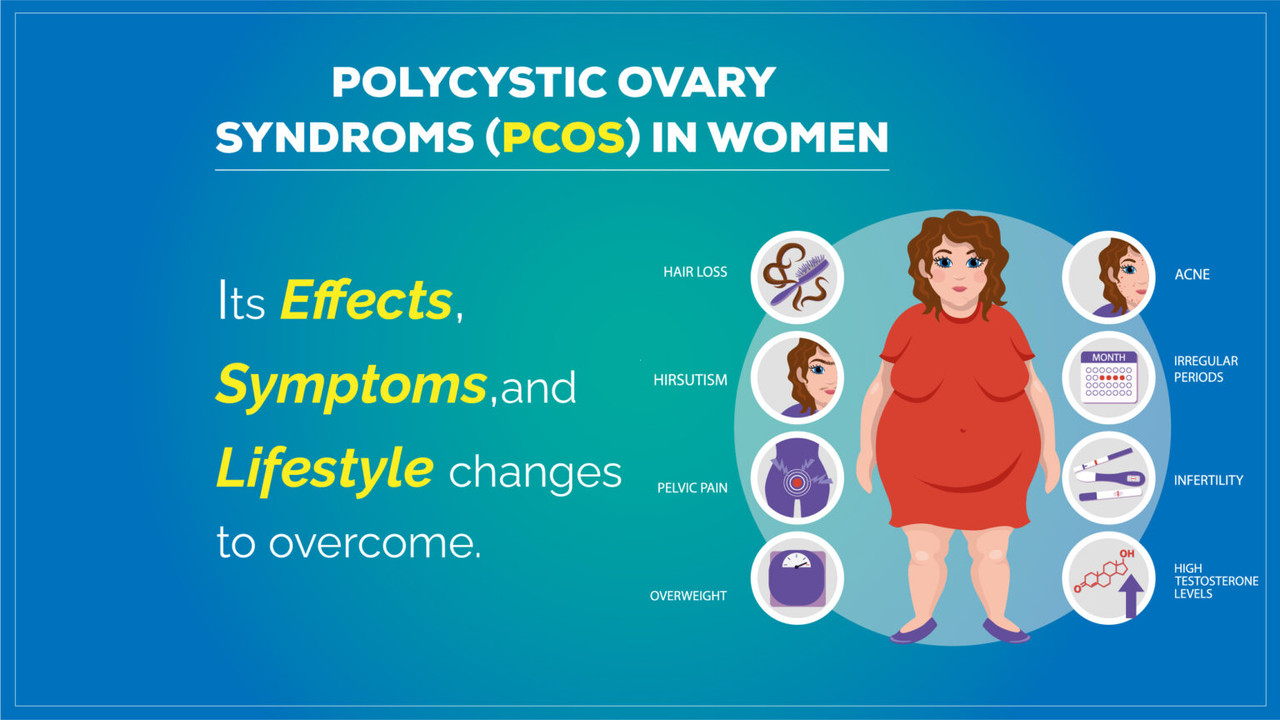
Polycystic Ovary Syndrome (PCOS) is a common hormonal disorder that affects people with ovaries, often causing a range of symptoms and challenges. Understanding the condition and learning how to manage it is crucial for those who are diagnosed. In this article, we’ll delve into the clinical aspects of PCOS, from its causes and symptoms to diagnosis and management.
PCOS manifests through a range of symptoms that can affect daily life and overall health.
Irregular or absent periods are common, making it difficult for those with PCOS to predict when their next period will occur.
Increased androgens may lead to hirsutism, causing excess hair growth on the face, chest, and back.
Androgens can also contribute to acne and oily skin.
Many individuals with PCOS struggle with weight management, which can worsen other symptoms.
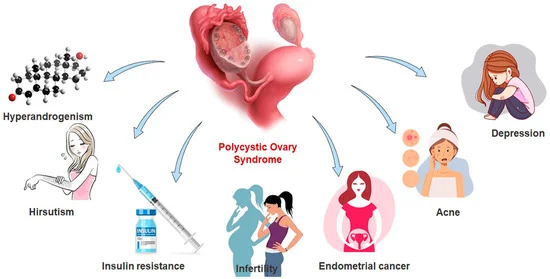
PCOS is not just about troublesome symptoms; it can also lead to significant health risks.
Insulin resistance often goes hand in hand with PCOS, increasing the risk of developing type 2 diabetes.
PCOS is associated with a higher risk of heart disease and high blood pressure.
Many individuals with PCOS experience difficulties conceiving due to irregular ovulation.





Leave a Comment
Your email address will not be published. Required fields are marked *