
High-Risk Pregnancy: Why Extra Care and Regular Monitoring Matter
Pregnancy is a major physical and emotional journey, and while many pregnancies progress normally, some require closer medical observation. A high-risk pregnancy means that the mother, baby, or both may have a higher chance of developing complications compared with a routine pregnancy.
Being told that a pregnancy is high-risk does not necessarily mean that a serious complication will occur. Instead, it indicates that additional monitoring, testing, specialist consultation or medical care may be appropriate.
Conditions such as high blood pressure, diabetes, multiple pregnancy, certain previous pregnancy complications and some maternal health conditions can require closer supervision. The World Health Organization emphasizes early detection and management of pregnancy-related complications as an important part of quality antenatal care.
For expecting mothers in Nashik, understanding the meaning of high-risk pregnancy and knowing when professional care is needed can help support a safer and more closely monitored pregnancy journey.
What Is a High-Risk Pregnancy?
A high-risk pregnancy is a pregnancy in which certain maternal, fetal or pregnancy-related factors increase the possibility of complications.
The risk may be present before conception, identified during early pregnancy, or develop later. For example, a woman may enter pregnancy with diabetes or hypertension, while another woman may develop gestational diabetes or pregnancy-related high blood pressure during pregnancy.
Some pregnancies may also require additional monitoring because of twins or higher-order multiples, previous pregnancy complications or concerns about fetal growth.
Importantly, high-risk does not mean that a pregnancy will have a poor outcome. It means the pregnancy may benefit from an individualized care plan and closer observation.
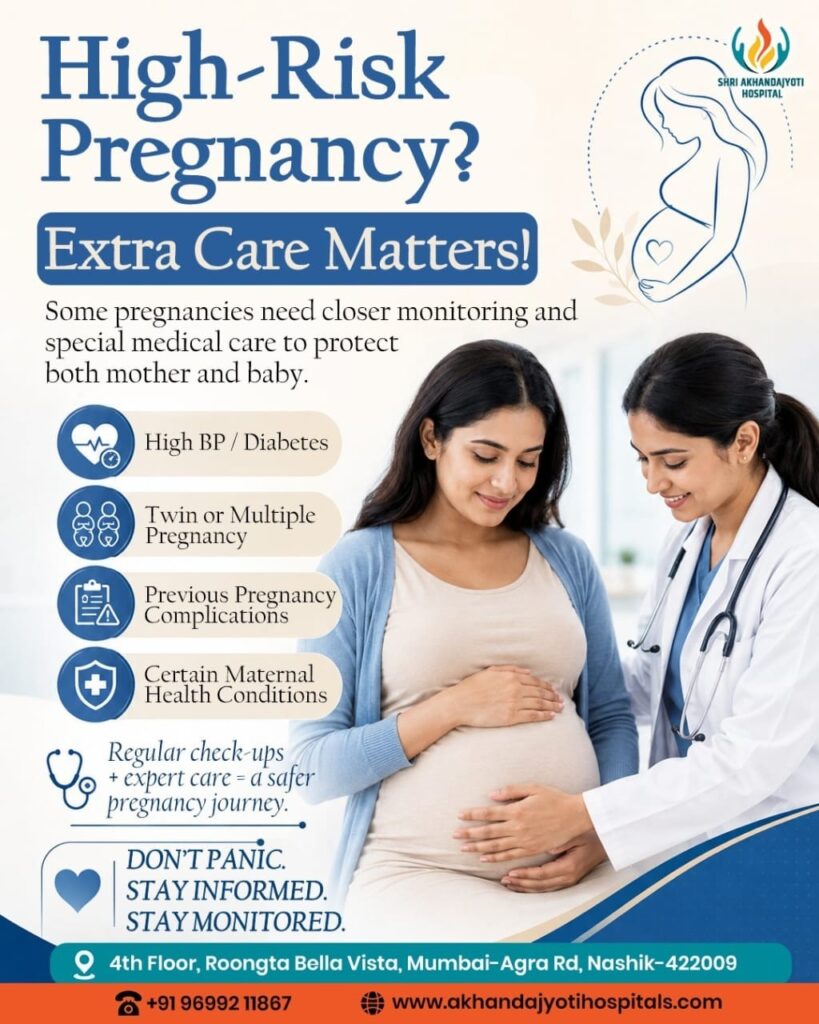
Why Does a High-Risk Pregnancy Need Extra Care?
Pregnancy complications can sometimes develop without obvious symptoms. Regular antenatal appointments allow healthcare professionals to monitor maternal health, fetal growth and other important aspects of pregnancy.
For example, high blood pressure during pregnancy may sometimes be identified during a routine blood pressure check before a woman feels unwell. WHO notes that pre-eclampsia can develop after 20 weeks of pregnancy and that early detection and management are important.
Depending on the individual situation, closer care may involve:
- More frequent prenatal appointments
- Blood pressure monitoring
- Blood and urine tests
- Blood glucose testing
- Ultrasound examinations
- Fetal growth monitoring
- Additional fetal assessments
- Specialist consultation
- Medication when clinically indicated
- Planning for delivery and postpartum care
The exact monitoring schedule should always be decided by the treating obstetrician.
Common Factors That May Make a Pregnancy High-Risk
Several factors can increase the need for closer pregnancy monitoring. The presence of one risk factor does not automatically mean that complications will occur.
1. High Blood Pressure
High blood pressure may exist before pregnancy or develop during pregnancy.
Pregnancy-related hypertensive disorders include gestational hypertension and pre-eclampsia. Pre-eclampsia can affect multiple organs and may create risks for both mother and baby if not recognized and managed appropriately.
Regular blood pressure checks are therefore an important part of prenatal care.
A pregnant woman should not wait for symptoms before attending scheduled appointments because hypertension may not always cause noticeable symptoms.
2. Diabetes During Pregnancy
Diabetes may be present before pregnancy or may first be identified during pregnancy.
WHO’s current guidance recognizes diabetes during pregnancy as an important maternal health issue requiring appropriate treatment and monitoring.
High blood glucose during pregnancy can be associated with complications including pre-eclampsia, excessive fetal growth, newborn hypoglycaemia and other pregnancy-related concerns.
Depending on the diagnosis, management may include nutritional counselling, physical activity when appropriate, blood glucose monitoring and medication if required.
3. Twin or Multiple Pregnancy
Pregnancy with twins, triplets or more babies generally requires additional monitoring because multiple pregnancies can have different risks compared with a singleton pregnancy.
The healthcare team may monitor:
- Growth of each baby
- Fetal development
- Placental and fluid-related findings
- Maternal blood pressure
- Signs of preterm labour
- Other pregnancy-specific concerns
Multiple pregnancy is also recognized as a risk factor for pre-eclampsia.
Regular appointments help the medical team identify changes that may require further assessment.
4. Previous Pregnancy Complications
A woman’s previous pregnancy history can be important when assessing the current pregnancy.
Previous complications may include:
- Pre-eclampsia
- Preterm birth
- Pregnancy-related hypertension
- Gestational diabetes
- Previous pregnancy loss
- Fetal growth concerns
- Previous cesarean delivery
- Other significant pregnancy complications
A previous complication does not necessarily mean that the same problem will happen again. However, it may influence the type and frequency of monitoring recommended by the obstetrician.
Discussing your complete pregnancy history during the first prenatal consultation can help your doctor develop an appropriate care plan.
5. Existing Maternal Health Conditions
Some medical conditions that existed before pregnancy may require special attention during pregnancy.
Examples can include:
- Diabetes
- Chronic hypertension
- Kidney disease
- Heart conditions
- Thyroid disorders
- Certain autoimmune conditions
- Epilepsy
- Other chronic illnesses
WHO highlights conditions such as diabetes, hypertension, heart disease and obesity as increasingly important factors in pregnancy care. These conditions can be associated with complications such as hypertensive disorders, preterm birth and fetal growth abnormalities.
If you have an existing medical condition and are planning pregnancy, discussing your health with an appropriate healthcare professional before conception can be helpful.
What Are the Signs That Need Immediate Attention?
Not every high-risk pregnancy produces warning symptoms. However, certain symptoms during pregnancy should receive prompt medical attention.
Contact your healthcare provider urgently if you experience:
- Vaginal bleeding
- Severe abdominal or pelvic pain
- Severe or persistent headache
- Changes in vision
- Sudden or significant swelling
- Difficulty breathing
- Chest pain
- Persistent vomiting or inability to keep fluids down
- Fever with concerning symptoms
- Leakage of fluid from the vagina
- Regular painful contractions before the expected time
- Reduced fetal movement after your healthcare provider has explained how to monitor movements
Severe headache, visual disturbances and upper abdominal pain can be warning symptoms associated with pre-eclampsia.
If symptoms are severe or rapidly worsening, seek urgent medical care rather than waiting for a routine appointment.
How Is a High-Risk Pregnancy Monitored?
There is no single monitoring schedule for every high-risk pregnancy. The approach depends on the specific risk factor, pregnancy stage, maternal health and fetal condition.
Regular Blood Pressure Checks
Blood pressure monitoring can help identify hypertension or changes that may require further investigation.
Blood Tests
Your doctor may recommend blood tests to assess conditions such as anemia, diabetes, infection or other health concerns depending on your medical history.
Urine Testing
Urine tests can provide useful information during pregnancy and may be included as part of routine antenatal assessment.
Ultrasound Monitoring
Ultrasound examinations can be used when clinically appropriate to assess fetal development, growth, anatomy, placenta and other pregnancy-related findings.
Fetal Monitoring
Some high-risk pregnancies may require additional fetal monitoring later in pregnancy. The type and timing depend on the specific clinical situation.
The goal of additional monitoring is not to create unnecessary anxiety but to identify important changes early enough for the healthcare team to respond appropriately.
Can High-Risk Pregnancy Still Have a Healthy Outcome?
Yes. A high-risk pregnancy can still progress well, particularly when the underlying condition is appropriately identified and managed.
The term “high-risk” describes the level of medical attention required; it does not predict an individual pregnancy outcome.
For example, a woman with well-managed diabetes may receive additional blood glucose monitoring and fetal assessment. Another woman carrying twins may have more frequent ultrasound examinations.
The care plan is individualized according to the mother’s and baby’s needs.
Importance of Regular Antenatal Visits
Skipping prenatal appointments can make it more difficult to identify developing complications.
WHO recommends antenatal care that helps identify and manage risk factors and pregnancy complications. Its guidance emphasizes interventions such as blood pressure assessment, screening for conditions including anemia and hyperglycemia, and appropriate fetal assessment.
During appointments, tell your healthcare provider about any new symptoms, changes in medications or significant changes in your health.
Keep a record of:
- Your scheduled appointments
- Prescribed medicines
- Blood pressure readings if home monitoring has been recommended
- Blood glucose readings if applicable
- Test reports
- Ultrasound reports
- Questions or symptoms you want to discuss
This information can help make consultations more productive.
Lifestyle and Self-Care During a High-Risk Pregnancy
Medical supervision is the most important component of managing a high-risk pregnancy, but everyday habits can also support general maternal health.
Follow Your Treatment Plan
Take prescribed medications exactly as directed. Do not stop, start or change medication without discussing it with your doctor.
Eat a Balanced Diet
Choose a varied diet that provides appropriate protein, fiber, vitamins and minerals. If you have diabetes, hypertension or another condition, your healthcare professional may recommend specific dietary adjustments.
Stay Active When Medically Appropriate
Some pregnant women can safely perform moderate physical activity, while others may have restrictions because of their medical or pregnancy condition.
Always follow your obstetrician’s recommendations.
Get Adequate Rest
Pregnancy can increase physical demands on the body. Adequate rest and sleep can support general well-being.
Avoid Tobacco and Alcohol
Avoid tobacco, nicotine and alcohol during pregnancy. Discuss any substance exposure with your healthcare provider so appropriate support can be provided.
Does High-Risk Pregnancy Always Mean C-Section?
No.
A high-risk pregnancy does not automatically require a cesarean delivery. The mode of delivery depends on the mother’s health, baby’s condition, pregnancy complications, fetal position, previous surgical history and other clinical factors.
For some women, vaginal delivery may remain appropriate. For others, a cesarean may be recommended because of a specific maternal or fetal indication.
The delivery plan should therefore be individualized rather than based solely on the label “high-risk pregnancy.”
When Should You Choose Specialized Pregnancy Care?
If you have a known medical condition, previous significant pregnancy complication, multiple pregnancy or another factor that requires closer monitoring, discuss your pregnancy with a qualified obstetrician early.
Specialized pregnancy care may help with:
- Risk assessment
- Regular monitoring
- Screening
- Management of existing medical conditions
- Fetal growth assessment
- Medication planning
- Delivery planning
- Postpartum follow-up
For women searching online for the Best Gynac Hospital in Nashik, it is useful to consider the availability of qualified obstetric professionals and appropriate pregnancy monitoring rather than relying only on a hospital’s name or online description.
Choosing Maternity Care in Nashik
Choosing maternity care is an important decision, particularly when a pregnancy requires additional monitoring.
When researching the Best Maternity Hospital in Nashik, expecting parents may consider:
- Qualifications and experience of the obstetric team
- Availability of antenatal consultations
- Facilities for pregnancy monitoring
- Support for high-risk pregnancy management
- Availability of emergency obstetric care
- Newborn care facilities
- Accessibility for regular appointments
- Postpartum support
Similarly, women looking for the Best Gynac Hospital in Nashik can evaluate whether the healthcare facility offers appropriate gynecological and obstetric services for their individual needs.
Shri Akhandajyoti Hospital in Nashik provides obstetric and gynecological care for women during pregnancy and related stages of maternal healthcare.
The appropriate facility depends on your individual medical needs, the services you require and the advice of your treating healthcare professional.
High-Risk Pregnancy: Why Monitoring Matters
A high-risk pregnancy requires attention, but it does not mean that an expecting mother should live in constant fear.
The most important steps are:
- Understand your individual risk factors.
- Attend all scheduled prenatal appointments.
- Complete recommended tests and scans.
- Take prescribed medication correctly.
- Follow your healthcare provider’s dietary and activity advice.
- Know the warning signs that require urgent attention.
- Keep your medical records organized.
- Discuss concerns openly with your obstetrician.
- Follow the recommended delivery plan.
- Continue appropriate postpartum follow-up.
WHO emphasizes that identifying pregnancy complications early and providing appropriate care can help reduce serious maternal and newborn risks.
Conclusion
A high-risk pregnancy means that additional attention may be required because of maternal health conditions, previous pregnancy history, multiple pregnancy or complications that develop during pregnancy. It is a reason for closer monitoring—not a reason to panic.
Conditions such as high blood pressure and diabetes can sometimes develop without obvious symptoms, making regular prenatal appointments particularly important. Multiple pregnancy and previous pregnancy complications may also require an individualized monitoring plan.
If you are researching the Best Maternity Hospital in Nashik, consider a facility that can provide appropriate antenatal monitoring, obstetric consultation, emergency support and postpartum care according to your needs.
Women searching for the Best Gynac Hospital in Nashik should also look for qualified medical professionals who can assess individual risk factors and provide personalized pregnancy guidance.
With timely screening, appropriate medical supervision and awareness of warning signs, many women with high-risk pregnancies can receive the care they need throughout pregnancy and delivery.
Don’t panic. Stay informed. Stay monitored. And always discuss your individual pregnancy needs with your qualified healthcare professional.
Frequently Asked Questions
A pregnancy may be considered high-risk when certain maternal, fetal or pregnancy-related factors increase the possibility of complications and require closer medical monitoring.
No. High-risk means that additional care or monitoring may be needed. It does not mean that a complication will definitely occur.
Diabetes before or during pregnancy can increase certain pregnancy risks and may require closer blood glucose and maternal-fetal monitoring. WHO recommends intensified care and monitoring for diabetes during pregnancy.
Multiple pregnancy generally requires additional monitoring because it can carry different maternal and fetal risks compared with a singleton pregnancy.
No. The mode of delivery depends on the individual clinical circumstances of the mother and baby.
Severe headache, vision changes, significant bleeding, severe abdominal pain, difficulty breathing, fluid leakage and reduced fetal movement when fetal movement monitoring has been advised are examples of symptoms requiring prompt medical assessment.
There is no single schedule for every high-risk pregnancy. The frequency depends on the specific condition, pregnancy stage and maternal and fetal health. Your obstetrician will determine the appropriate schedule.
Shri Akhandajyoti Hospital, 4th Floor, Roongta Bella Vista, Mumbai–Agra Road, Nashik, provides obstetric and gynecological care. For a high-risk pregnancy, discuss your individual medical requirements directly with a qualified obstetrician.