 Shri Akhandajyoti Hospital
CALL US NOW:
9699211867
Shri Akhandajyoti Hospital
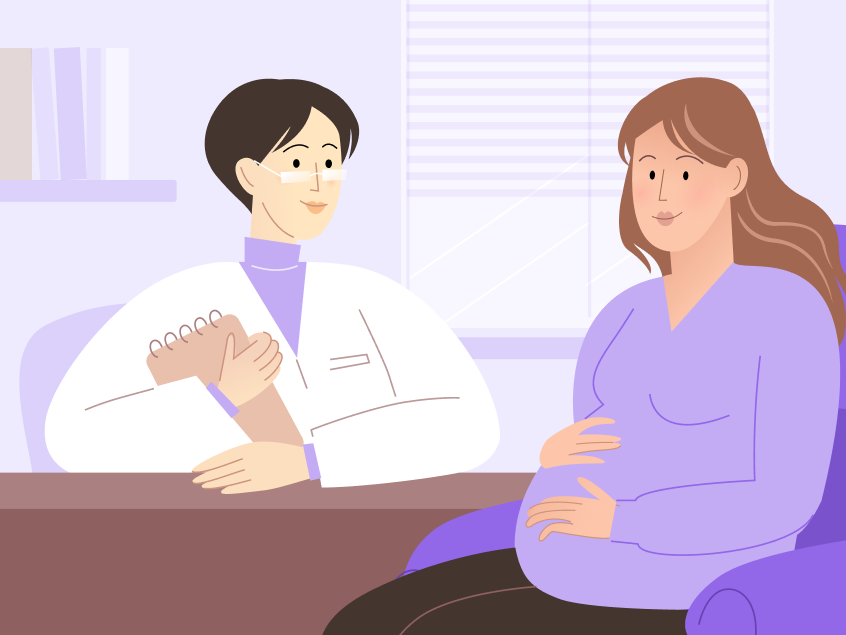
Pregnancy is a life-altering journey, and proper planning is crucial for a healthy and smooth experience. From preconception to the first trimester, and beyond, there are numerous aspects to consider. In this comprehensive guide, we’ll walk you through the essential steps and precautions to take when planning for a healthy pregnancy.
Before you even start trying to conceive, it’s essential to ensure that both you and your partner are in the best possible health. Schedule a preconception checkup with your healthcare provider to address any potential concerns.
Nutrition during pregnancy plays a vital role in ensuring the health of both the mother and the developing baby. A balanced diet rich in essential nutrients is crucial for a successful and healthy pregnancy journey.

Maintaining a balanced diet is the foundation of a healthy pregnancy. Ensure you get a variety of nutrients, including folic acid, iron, and calcium, through foods like leafy greens, lean proteins, and dairy products.
Eliminate or reduce your intake of alcohol, caffeine, and processed foods. If you smoke, now is the time to quit.
Fitness and exercise are essential for overall health and well-being. Regular physical activity improves physical strength, mental health, and supports weight management, making it a cornerstone of a healthy lifestyle.
Regular, moderate exercise can improve your overall health and help with weight management. Discuss your exercise routine with your healthcare provider.
Strengthening your pelvic floor muscles can assist in labor and postpartum recovery. Learn how to do Kegel exercises.

Mental health is a crucial aspect of our overall well-being. It encompasses emotional, psychological, and social well-being, influencing our cognition, perception, and behavior. Maintaining good mental health is essential for leading a fulfilling and productive life.

Stress can affect fertility and pregnancy. Find stress-reduction techniques that work for you, such as meditation or yoga.
Building a support system is crucial. Lean on friends and family, and consider counseling if needed.
Fertility Awareness is an approach to reproductive health that involves tracking and understanding one’s menstrual cycle to make informed decisions about family planning.
Understanding your menstrual cycle can help you pinpoint the most fertile days for conception.
Use ovulation prediction kits or apps to predict when you’re most likely to conceive.

Supplements and medications are essential tools in healthcare, addressing a wide range of health concerns, from nutrient deficiencies to complex medical conditions. However, their use should always be guided by informed decision-making and healthcare advice to ensure safety and effectiveness.
Start taking prenatal vitamins with folic acid before conceiving to reduce the risk of birth defects.
Consult your healthcare provider about any medications you’re currently taking and their safety during pregnancy.

Environmental Precautions are essential measures taken to protect and preserve the environment, minimizing the negative impact of human activities.
Eliminate hazards like lead-based paint, and make sure your home environment is safe for a baby.
Discuss workplace hazards with your employer and consider necessary adjustments.
Discuss genetic screening with your healthcare provider, especially if there is a family history of genetic disorders.

Family planning is the consideration of the number of children a person wishes to have, including the choice to have no children, and the age at which they wish to have them. Things that may play a role on family planning decisions include marital situation, career or work considerations, financial situations.
Have open and honest conversations with your partner about family size and timing.
Start thinking about your birth plan. Where would you like to give birth, and what kind of support do you want?

Family planning is the consideration of the number of children a person wishes to have, including the choice to have no children, and the age at which they wish to have them. Things that may play a role on family planning decisions include marital situation, career or work considerations, financial situations.
Determine the best time to conceive based on your menstrual cycle and ovulation prediction.
Maintain a healthy and enjoyable sex life while trying to conceive.
The first trimester of pregnancy, spanning weeks 1 to 12, is a critical period marked by rapid fetal development and often accompanied by common early pregnancy symptoms.
As soon as you suspect you’re pregnant, take a home pregnancy test and schedule a healthcare provider visit.
Learn about the common symptoms of the first trimester, like morning sickness and fatigue, and how to manage them.

Medical care encompasses a wide range of services, from routine check-ups and preventative measures to diagnosing and treating illnesses, all aimed at maintaining and improving an individual’s health.
Regular prenatal checkups are essential. Discuss your pregnancy timeline and any concerns with your healthcare provider.
Understand the importance of ultrasounds in monitoring your baby’s development.

Medical care encompasses a wide range of services, from routine check-ups and preventative measures to diagnosing and treating illnesses, all aimed at maintaining and improving an individual’s health.
Continue to prioritize a balanced diet, with adjustments for pregnancy.
Stay active with prenatal exercises and yoga for a smoother pregnancy.
Preparing for a healthy pregnancy is a comprehensive process that involves multiple factors. From your preconception health to the first trimester, and ultimately preparing for the arrival of your baby, every step is crucial. Remember, planning and good health practices significantly contribute to a smooth and joyful pregnancy journey.





Leave a Comment
Your email address will not be published. Required fields are marked *