 Shri Akhandajyoti Hospital
CALL US NOW:
9699211867
Shri Akhandajyoti Hospital
Menopause is a natural phase in a woman’s life, signifying the end of her reproductive years. This transition is marked by hormonal changes that can bring about a variety of physical and emotional symptoms. Understanding and managing menopause is essential for a smoother experience. In this article, we will explore the various aspects of menopause and provide practical tips to help women navigate this phase with grace and ease.
Menopause is defined as the permanent cessation of menstruation and marks the end of a woman’s reproductive ability. It typically occurs between the ages of 45 and 55, with an average age of around 51.
Perimenopause is the period leading up to menopause. During this time, hormone levels fluctuate, and women may experience irregular periods and various symptoms.
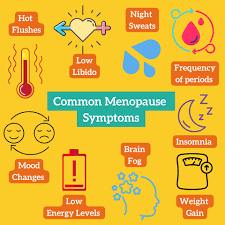
Understanding the symptoms is the first step to managing menopause effectively. Some common symptoms include hot flashes, night sweats, mood swings, and vaginal dryness.
Physical symptoms can vary in intensity and duration, making them a significant aspect of menopause management.
Emotional symptoms like mood swings, anxiety, and depression can have a profound impact on a woman’s overall well-being.
Hormonal changes, particularly a decrease in estrogen, are at the core of menopausal symptoms. Understanding these changes is crucial.
HRT is a medical approach to manage hormonal imbalances during menopause.
Making certain changes in your lifestyle can help alleviate menopausal symptoms and improve your overall quality of life.
A well-balanced diet rich in calcium and other nutrients is essential.
Regular physical activity can help with weight management and reduce the risk of osteoporosis.
Stress can exacerbate menopausal symptoms, so it’s vital to incorporate stress-reduction techniques.

Many women explore alternative therapies and natural remedies to manage menopause symptoms.
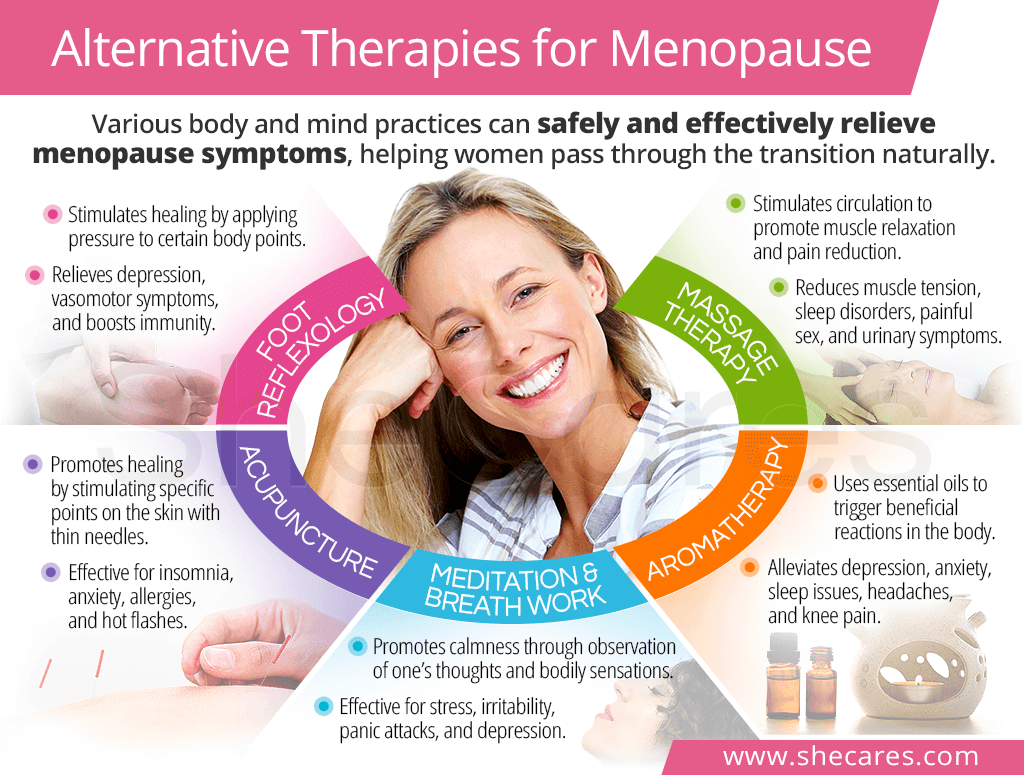
Herbs like black cohosh and red clover are thought to help alleviate symptoms.
Acupuncture may provide relief from hot flashes and other symptoms.
Vaginal dryness is a common symptom during menopause, which can affect a woman’s comfort and intimacy.
Using vaginal lubricants and moisturizers can help combat dryness.
Estrogen plays a role in maintaining bone density. Menopause-related hormonal changes can increase the risk of osteoporosis.
Consuming sufficient calcium and vitamin D can help support bone health.
The risk of heart disease can increase during and after menopause, making heart health a priority.
Regular medical check-ups are crucial for monitoring heart health.

Sleep disturbances are common during menopause. Addressing them is essential for overall well-being.
Creating a comfortable sleep environment and following good sleep hygiene practices can help.

Open and honest communication with your healthcare provider is key to managing menopause effectively.
Don’t hesitate to discuss your symptoms and concerns with your healthcare provider.

Having a strong support system of family and friends can make the menopausal journey more manageable.
Online support groups and forums can connect you with others going through menopause.
Accepting the changes that come with menopause is a vital step towards a smooth transition.
Prioritize self-care to nurture your emotional well-being.
Menopause marks a new phase in life, where you can focus on your personal growth and well-being.
Embrace this phase as an opportunity to set new goals and pursue your passions.





Leave a Comment
Your email address will not be published. Required fields are marked *