 Shri Akhandajyoti Hospital
CALL US NOW:
9699211867
Shri Akhandajyoti Hospital
Polycystic Ovary Syndrome (PCOS) is a common hormonal condition that affects many women during their reproductive years. It can influence menstrual cycles, ovulation, hormone levels and fertility. For women planning to become mothers, a PCOS diagnosis may raise several questions. One of the most common concerns is: Can you have a healthy pregnancy with PCOS?
The good news is that many women with PCOS have healthy pregnancies and deliver healthy babies. However, PCOS can sometimes make conception more challenging and may increase the risk of certain pregnancy complications. With proper medical guidance, early pregnancy planning, lifestyle changes and regular monitoring, many of these concerns can be managed.
If you are planning a pregnancy and looking for Pcod Treatment in Nashik, understanding how PCOS affects fertility and pregnancy is an important first step. Consulting an experienced gynaecologist can help you understand your reproductive health and choose an appropriate care plan.
In this blog, we will discuss the relationship between PCOS and pregnancy, possible risks, fertility options and ways to support a healthy pregnancy.
Polycystic Ovary Syndrome (PCOS) is a hormonal condition in which the ovaries may produce higher-than-normal levels of androgens (male-type hormones). It can also affect the regular release of eggs from the ovaries.
Women with PCOS may experience:
PCOS does not mean that a woman cannot become pregnant. However, irregular ovulation can make it difficult to predict fertile days and may reduce the chances of conception in some women.
With appropriate PCOS management and fertility support, pregnancy is possible for many women.
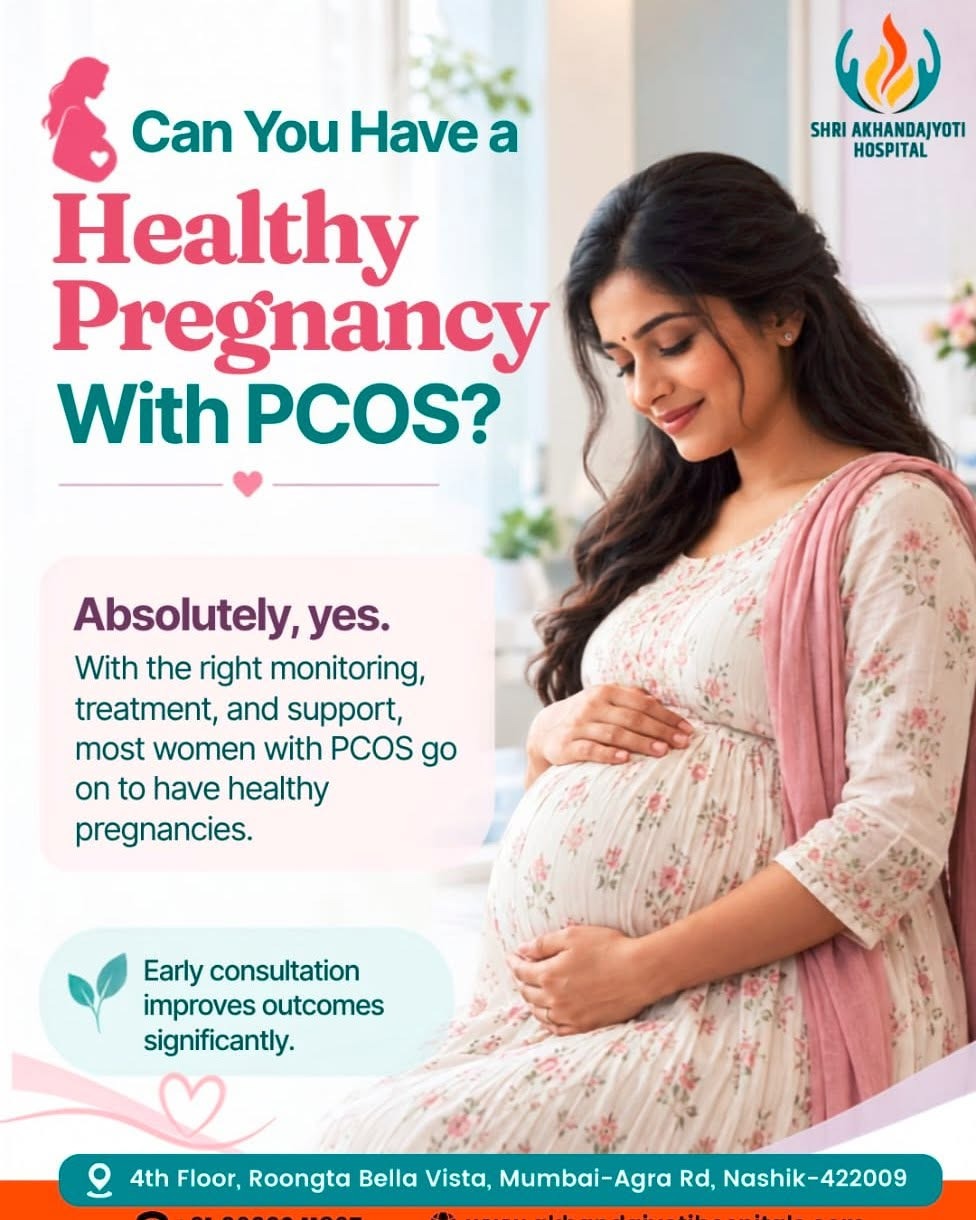
Yes, many women with PCOS can conceive naturally. The chances depend on several factors, including age, ovulation patterns, overall health, weight, insulin sensitivity and other reproductive health conditions.
Some women with PCOS ovulate regularly or occasionally and may become pregnant without fertility treatment. Others may need medical support to encourage regular ovulation.
A few important factors can affect fertility in women with PCOS:
Irregular ovulation is one of the main reasons why PCOS can affect fertility. When ovulation does not happen regularly, identifying the most fertile days becomes difficult.
Higher androgen levels and changes in reproductive hormones can interfere with normal ovulation.
Some women with PCOS experience insulin resistance, which means the body does not respond effectively to insulin. This can influence hormone levels and ovulation.
Age, egg quality, fallopian tube health and sperm health also play important roles in conception.
If you are experiencing difficulty conceiving, consulting a specialist at a Fertility Center in Nashik can help identify possible causes and suitable treatment options.
Although many women with PCOS have healthy pregnancies, the condition may increase the likelihood of certain complications. Understanding these risks allows women and healthcare professionals to take preventive steps and provide appropriate monitoring.
Some possible pregnancy-related concerns include:
Women with PCOS may have a higher risk of developing gestational diabetes during pregnancy. This condition occurs when blood sugar levels become elevated during pregnancy.
Proper blood sugar monitoring, balanced nutrition, physical activity and medical advice can help manage this concern.
PCOS may be associated with an increased risk of high blood pressure during pregnancy. In some cases, women may develop preeclampsia, a pregnancy complication involving high blood pressure and signs of organ involvement.
Regular antenatal checkups help monitor blood pressure and identify warning signs early.
Some studies suggest that women with PCOS may have a higher risk of early pregnancy loss. However, PCOS does not mean that miscarriage will occur.
Factors such as insulin resistance, metabolic health, age and other medical conditions may influence pregnancy outcomes.
Some women with PCOS may have an increased risk of delivering before 37 weeks of pregnancy.
Regular prenatal care helps healthcare professionals monitor the mother's health and the baby's development.
Weight management can be challenging for some women with PCOS. Excessive weight gain during pregnancy may contribute to metabolic complications and other health concerns.
A personalised nutrition and physical activity plan can support healthy pregnancy weight management.
Important: Having PCOS does not mean you will experience these complications. Every pregnancy is different, and individual risk depends on overall health and medical history.
Pregnancy planning is especially important for women diagnosed with PCOS. Taking care of your health before conception can help improve metabolic health and support reproductive function.
Here are some practical steps to consider.
If you are overweight, even modest weight reduction may improve insulin sensitivity and ovulation in some women with PCOS.
Focus on sustainable habits rather than rapid weight-loss methods.
Helpful habits include:
Not every woman with PCOS needs to lose weight. Your doctor can help determine an appropriate health goal.
Nutrition plays an important role in managing PCOS and supporting pregnancy preparation.
Consider including:
Try to limit sugary drinks and highly refined carbohydrates. A dietitian can help create a meal plan based on your individual nutritional requirements.
Physical activity can improve insulin sensitivity, support weight management and promote overall health.
Suitable activities may include:
If you are already pregnant, discuss suitable exercise with your gynaecologist before starting or continuing a workout routine.
Tracking your menstrual cycle can help you understand your ovulation pattern.
You can record:
Women with irregular periods should consult a gynaecologist rather than relying only on calendar-based methods to identify fertile days.
A preconception consultation helps identify health concerns that may need attention before pregnancy.
Your doctor may recommend checking:
Folic acid supplementation is generally recommended before conception. Your doctor can advise on the appropriate dose based on your health history.
Treatment depends on the woman's age, medical history, ovulation pattern and other fertility factors.
Women looking for Infertility Treatment in Nashik should understand that there is no single treatment suitable for everyone with PCOS.
Some commonly used medical approaches include:
For some women, improving nutrition, physical activity and metabolic health may help restore more regular ovulation.
Lifestyle changes are often an important part of PCOS management, whether or not fertility medication is required.
If irregular ovulation is affecting conception, a doctor may recommend medication to encourage the release of an egg.
Letrozole is commonly recommended as a first-line ovulation-induction medicine for many women with PCOS-related anovulatory infertility, when there are no other infertility factors.
Clomiphene citrate may also be considered in selected cases.
These medicines require medical supervision and appropriate monitoring.
Metformin may be prescribed for selected women with PCOS, particularly when insulin resistance or metabolic concerns are present.
It may improve certain metabolic features and can sometimes help with menstrual regularity and ovulation.
However, it is not necessary for every woman with PCOS and is not a replacement for individualised fertility treatment.
IUI may be considered when additional fertility factors are present or when recommended as part of an individual treatment plan.
During this procedure, prepared sperm is placed inside the uterus around the time of ovulation.
IVF may be recommended when other treatments have not been successful or when additional fertility problems are identified.
In IVF, eggs are collected from the ovaries and fertilised with sperm in a laboratory. An embryo may then be transferred into the uterus.
Women with PCOS undergoing IVF may need careful monitoring because they can have an increased risk of ovarian hyperstimulation syndrome (OHSS).
Your fertility specialist will decide whether IVF is appropriate based on your individual circumstances.
| Health factor | Why it matters | Recommended approach |
|---|---|---|
| Irregular periods | May indicate irregular ovulation | Gynaecological assessment |
| Insulin resistance | Can affect metabolic and reproductive health | Blood sugar assessment and management |
| Weight changes | May influence metabolic health | Personalised nutrition and activity |
| High blood pressure | Can increase pregnancy-related risks | Regular blood pressure monitoring |
| Gestational diabetes | May affect mother and baby | Appropriate glucose screening |
| Hormonal imbalance | May interfere with ovulation | Individualised medical treatment |
Once pregnancy is confirmed, regular antenatal care becomes especially important.
Here are some ways to support your health and your baby's development.
Do not skip scheduled appointments. Your gynaecologist may recommend additional monitoring depending on your medical history and pregnancy risks.
Women with PCOS may need early assessment for diabetes risk and appropriate gestational diabetes screening during pregnancy.
Follow your doctor's recommendations regarding glucose testing.
Choose a balanced diet with adequate protein, fibre, vitamins and minerals.
Avoid following restrictive diets or taking supplements without medical advice.
If your pregnancy is uncomplicated, moderate physical activity may support overall health. Walking and pregnancy-appropriate exercises may be suitable after discussing them with your doctor.
Good sleep and emotional well-being are important during pregnancy.
Try relaxation techniques, gentle yoga if approved, and a consistent sleep routine. Seek professional support if stress or anxiety becomes difficult to manage.
Never start, stop or change PCOS-related medication during pregnancy without consulting your healthcare professional.
Some medicines used before conception may need to be reviewed once pregnancy is confirmed.
You should consider consulting a gynaecologist if:
Women under 35 are generally advised to seek an infertility evaluation after 12 months of regular unprotected intercourse without conception. Women aged 35 or older should generally seek evaluation after six months. However, women with irregular or absent periods should consider an earlier consultation rather than waiting.
If you are searching for Pcod Treatment in Nashik, an early consultation can help you understand your condition and plan the next steps.
A PCOS diagnosis does not mean you cannot become a mother. Although the condition can affect ovulation and may increase certain pregnancy risks, many women with PCOS have healthy pregnancies with appropriate medical support.
Understanding your hormonal health, maintaining balanced lifestyle habits, planning pregnancy and attending regular medical checkups can make a meaningful difference.
If you are planning a pregnancy or need guidance for PCOS-related fertility concerns, consult an experienced gynaecologist for an individual assessment.
Yes. Many women with PCOS experience healthy pregnancies and deliver healthy babies. Regular antenatal checkups, appropriate lifestyle habits and medical monitoring can help manage potential pregnancy-related risks.
PCOS can affect ovulation, making conception more challenging for some women. However, many women conceive naturally, while others may benefit from ovulation-induction medication or other fertility treatments.
PCOS itself does not automatically make a pregnancy dangerous. However, it may increase the risk of gestational diabetes, high blood pressure and certain other complications. Individual monitoring helps manage these concerns.
Some research indicates an association between PCOS and an increased risk of miscarriage. However, many women with PCOS have successful pregnancies. Your doctor can assess other factors that may influence your individual risk.
Treatment depends on your symptoms, ovulation pattern, age and overall reproductive health. Lifestyle management and ovulation-induction medication may be recommended. Letrozole is commonly used as a first-line medicine for PCOS-related anovulatory infertility.
No. IVF is not necessary for every woman with PCOS. Many women conceive naturally or with ovulation-induction treatment. IVF is considered when medically appropriate, depending on individual fertility factors.
If you have irregular periods, absent ovulation or difficulty conceiving, you should consider consulting a fertility specialist early. Women with PCOS do not need to wait for the usual infertility evaluation period if their menstrual cycles are significantly irregular.